
Target Keywords: K12 alumni engagement, holiday alumni outreach, school alumni programs, alumni reconnection strategies, year-round alumni support, K12 fundraising strategies
The Nostalgia Catalyst: Your Golden Window for Reconnection
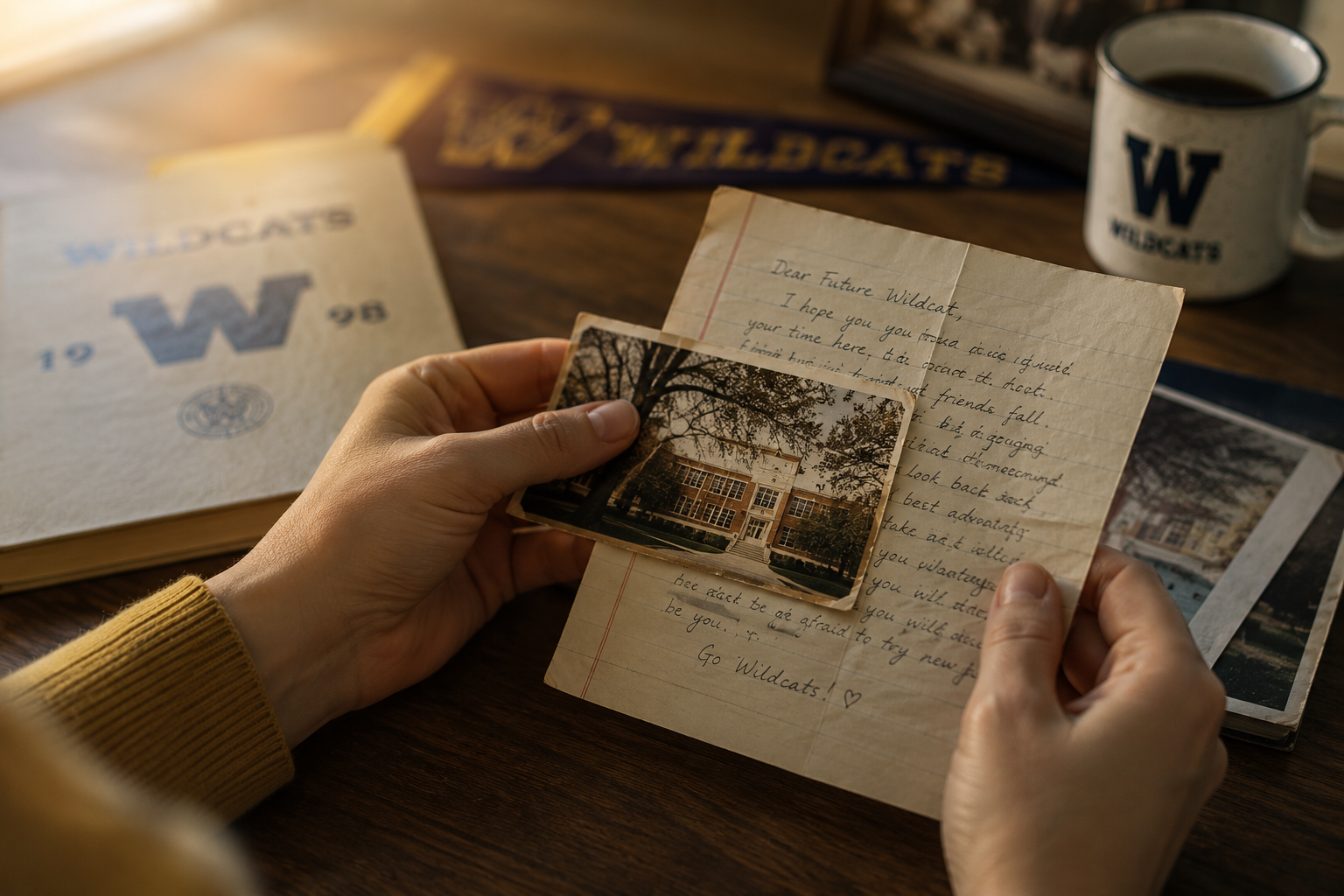
It’s mid-November, and your alumni are booking flights home for Thanksgiving. As they scroll through social media, something magical happens. A post from their old high school appears in their feed, and suddenly they’re transported back, wondering if the bleachers still creak the same way, if their favorite teacher still teaches AP History, if the cafeteria still smells like Friday pizza.
This isn’t just nostalgia. It’s your golden opportunity.
The holiday season, spanning from Thanksgiving through New Year’s, creates a powerful emotional current that pulls alumni back toward their roots. Many areThey’re physically returning home, mentally reconnecting with their past, and emotionally open to rekindling relationships with the schools that shaped them. For K12 foundations, district offices, and schoolbooster leaders, this seasonal swell represents the single greatest catalyst for meaningful alumni engagement.
Here’s the beautiful truth: The challenge isn’t convincing alumni to care about their old schools. They already do. The real opportunity lies in making it ridiculously easy for them to act on that care, right now, in this moment of heightened connection in ways that naturally extend beyond the holiday season.
![[Alt text: High school alumni reconnecting at coffee shop during holiday season homecoming visit]](https://alumninations.com/wp-content/uploads/2025/12/image-5.png)
This comprehensive guide delivers a strategic, three-phase roadmap designed to help you maximize engagement during this high-opportunity period. We’ll show you how to emphasize connection first, genuine, low-pressure reconnection that we call “friendraising” which naturally opens the door to support. By focusing on a few well-timed micro-moments (a casual coffee chat, a quick service project, a five-minute video message), you can build a warmer alumni community, discover new volunteer champions, welcome first-time contributors, and most importantly, establish a repeatable rhythm that sustains engagement all year long.
Let’s turn that temporary holiday warmth into lasting relationships. The moment Thanksgiving travel plans go live, a powerful, unspoken phenomenon begins: alumni start thinking about home. They’re scrolling past their old high school’s feed, wondering if the bleachers are still in the same spot, and imagining themselves walking those familiar hallways again.
Phase 1 (October-Early November): Laying the Strategic Foundation
Success doesn’t happen by accident. You can’t run an effective holiday engagement campaign without solid groundwork. The best time to start preparing is early October, giving you enough runway to clean your data, segment intelligently, and send invitations early enough that alumni can actually pencil your events into their holiday calendars.
Clean Your Data and Launch a Re-Permission Campaign
Your outreach is only as effective as the contact information you trust. Before November arrives, you need to ensure your list is accurate, properly segmented, and legally compliant.
- Start with Data Hygiene: Run a thorough audit of your database. Remove duplicate records, verify graduation years, and confirm that email addresses are valid and active. Your goal should be reaching at least 70% of your records with confidence.
- The Re-Engagement Strategy: Send a warm, conversational email or text message asking alumni to confirm their preferred contact methods. This isn’t just administrative housekeeping, it’s your first engagement touchpoint.
- Implement Geo-Targeting: Use alumni’s last known addresses, or include a simple survey question in your re-permission email: “Will you be in town this holiday season?” This helps you flag alumni who are likely to be home for the holidays.
- Build Your Seasonal Landing Page: Create a simple, welcoming “Home for the Holidays” hub on your website. This temporary landing page becomes your campaign centerpiece, every communication should point alumni back to this central location.
- Segment Your Outreach for Maximum Relevance: Your messaging must reflect differences in life stages. Sending a career mentorship invitation to a recent graduate is far less effective than targeting an established professional.
- Pre-Announce Your Low-Lift Touchpoints: Focus on two or three simple, high-impact touchpoints that actually fit into busy holiday calendars. Announce these events by October 31st so alumni have real lead time.
The framing makes all the difference. Instead of a boring “Update your contact information” request, try something like: “We’re planning something special for alumni coming home for the holidays, and we’d love to include you. Can we send you one or two friendly invites this season?” Research on volunteer motivation consistently shows that ease of participation often matters more than the perceived importance of the task itself.
Strategic Segmentation Framework
Your alumni aren’t all at the same life stage. Here’s how to segment thoughtfully:
Young Alumni (0-10 years out): Recent graduates and early-career professionals. Ask them to participate in career panels, mentor current seniors, or attend social gatherings. They have the most current perspective on college and early career life.
Lapsed Supporters: Alumni who haven’t contributed or engaged in 3+ years. Welcome them back with a soft touch and extend a light invitation during GivingTuesday. Focus on reconnection before any asks.
Established Professionals: Alumni established in careers, trades, or education fields. Invite them to guest speaking opportunities, career panels, or service leadership roles. Send early invitations so they can plan ahead.
Phase 2 (Late November-December): Transform Nostalgia into Meaningful Action
This is when all your preparation pays dividends. Your alumni are home, emotionally present, and ready to reconnect. Your job is to meet them exactly where they are—with timely, relevant, and easy ways to engage and help.
The 10-Day Holiday Engagement Sprint
If your organization school or district can execute one concentrated push this season, make it this one. A focused 10-day sprint from late November through mid-December consolidates all your touchpoints into a powerful momentum surge.
Days 1-3: Alumni Coffee Conversations — Host drop-in hours near the schoolcampus or at a popular local spot. Keep it casual, no formal program required. Use simple sign-in sheets to capture contact information and areas of interest.
Days 4-5: Alumni Service Day — Partner with student clubs to organize a coat drive, toy collection, or community service project. Provide lunch or snacks to build camaraderie and appreciation. This converts goodwill into active service while creating beautiful intergenerational moments.
Days 6-7: Classroom Guest Talks & Career Panels — Invite young alumni to share early-career wisdom with current juniors and seniors. Keep presentations short, 15 to 30 minutes with Q&A. This creates immediate, tangible value to current students.
Days 8-9: Alumni Spotlight Storytelling — Launch a User-Generated Content challenge. Encourage alumni to share photos or short videos using a campaign hashtag like #HometownPride. This generates social proof and creates free authentic content.
Day 10: Year-End Invitation — Extend a soft, heartfelt invitation to contribute that’s directly tied to the goodwill you’ve built. Frame it around community impact and student support.
Channel Strategies That Actually Work
Not every alumnus responds to email alone. Strategic multi-channel outreach dramatically increases your reach and engagement. Geo-targeted email and SMS become your most powerful tools during Phase 2, sending messages exclusively to alumni tagged as “local” or “likely visiting.” Messages like “Back in town for Thanksgiving? Stop by for a casual hallway walk-through Wednesday at 10 AM!” hit completely differently when they’re personalized and location-relevant.
![[Alt text: Young alumni presenting career advice to current high school seniors during holiday career panel]](https://alumninations.com/wp-content/uploads/2025/12/image-3.png)
Encourage public re-engagement through social channels with simple prompts: “Show us your best mascot memory! Share a throwback photo with #GoEaglesAlways and we’ll feature our favorites all week!” This strategy builds social proof and generates authentic content at zero cost. Collaborate with neighborhood coffee shops, bakeries, or bookstores to offer special discounts to alumni who RSVP for events, this reduces your workload and strengthens local business relationships.
Five Plug-and-Play Calls to Action
Every single touchpoint in your campaign should ladder up to one clear, simple next step:
CTA #1: Join or Update the Alumni Directory — Builds your contactable database for sustained engagement. Place this on your hub landing page, in email signatures, and on event check-in sheets.
CTA #2: RSVP for Holiday Coffee Chat — Creates your lowest-friction in-person touchpoint. Use in email campaigns, text message blasts, and social posts.
CTA #3: Sign Up to Volunteer — Converts passive goodwill into active engagement. Remember, micro-volunteering is the gateway to deeper involvement.
CTA #4: Share Your Alumni Spotlight — User-generated content provides free, authentic material while creating public re-engagement opportunities.
CTA #5: Make a Small Year-End Contribution — Micro-contributions help convert first-time supporters and build the habit of giving back.
Phase 3 (January): Making Engagement Stick Beyond the Holidays
The holiday season is ending, but your alumni relationships shouldn’t. This crucial phase locks in the connections you’ve just built and plants seeds for the next wave of engagement, preventing the dreaded post-holiday fizzle.
Express Gratitude, Share Impact, and Invite Ongoing Involvement
Within one week of your final holiday event, launch a comprehensive thank-you campaign. Use a headline like “Thank You for Coming Home: Look What We Built Together.” Include a quick impact recap (for example: “We connected with 500 alumni, welcomed 120 to schoolcampus events, and collected 300 coats for families in need”). Add a highlight reel featuring event photos or short video clips.
Use this thank-you message to invite alumni into more sustained roles for the coming year: “Become a Class Ambassador for 2025,” “Join our Career Mentor Network,” or “Sign up for Quarterly Alumni Connection Hours.” Personalization matters, send different follow-ups to first-time contributors, volunteers, and event attendees.
Transition from Seasonal Moments to Sustained Connection
Your holiday sprint serves as proof of concept for year-round engagement. Launch Quarterly Alumni Connection Hours using the same casual coffee-chat format every quarter, January, April, July, and October. This low-effort, repeatable touchpoint keeps your community loop open throughout the year. Plan a Spring Career Day leveraging the mentor network you established in December, and organize a Summer Community Service Project partnering with local nonprofits for larger-scale opportunities in June or July.
Real-World Impact: Success Stories That Inspire
Real examples provide the clearest roadmap for success. A small high school foundation ran weekly “Alumni Coffee & Conversation” drop-ins throughout December at a neighborhood coffee shop. Forty alumni stopped by over two weeks. One Class of 2008 finance professional connected with two other alumni and signed up to become a career mentor. By January, all three were leading a “Financial Literacy for Seniors” workshop series, and the finance alumnus converted his holiday engagement into an annual $1,000 corporate sponsorship.
The lesson? Low-effort, frequent touchpoints build trust faster than one large formal event. They create space for organic connections that transform casual attendees into major stakeholders.
An elementary school paired its holiday Alumni Service Day with their current 5th-grade student council. Alumni volunteers worked directly alongside students to sort and distribute coat and toy drive contributions. The owner of a local dry cleaning business observed the positive energy and genuine commitment. Moved by what he witnessed, he committed to funding a new annual scholarship for graduating students, transforming a one-day service drive into an annual tradition of support.
The lesson? Service-first engagement opens doors to partnerships and contributions that direct, transactional requests rarely achieve.
Measuring Success: Simple Metrics That Actually Matter
You don’t need a sophisticated analytics team to prove your holiday campaign’s value. Focus on five straightforward Key Performance Indicators that clearly demonstrate return on your time investment: Re-Permission Rate (15–25% target), Contactable Records Growth (5–10% increase), Event RSVP-to-Attendance Rate (60–75% typical), New Volunteer Sign-Ups (20–50 is excellent), and Small Contributions with First-Time Supporter Percentage (30–50 contributions with 50%+ being first-time).
Create a one-page spreadsheet and on January 5th, share results with leadership: “We reconnected with 200 alumni, hosted 6 coffee chats with 80 total attendees, welcomed contributions totaling $2,100 (with 40% coming from first-time supporters), and recruited 12 new volunteers.” Focus on progress over perfection, these metrics tell a clear story of growing engagement and community strength.
Common Pitfalls and Their Easy Fixes
Learn from experiences across the country. School leaderss often send invitations too late, alumni book holiday schedules by mid-October, so publish event dates by October 31st and schedule initial emails by November 1st. Avoid sending “come to the schoolcampus” invitations to out-of-state alumni by segmenting by zip code during Phase 1. Keep calls-to-action crystal clear with one specific action per email: “RSVP Here,” “Update Your Profile,” or “Sign Up to Volunteer.”
Prioritize list cleanup and re-permission campaigns before Thanksgiving, this investment pays immediate dividends. Most importantly, invest 80% of your effort in friendraising through coffee chats, storytelling, and mentorship opportunities. Support requests become the natural 20% finish line. Schedule all Phase 3 thank-you messages and ambassador invitations before your sprint ends, draft templates in December, then queue them to send in early January.
Advanced Questions Answered: Going Deeper
What’s the ideal communication frequency during holidays? During your Phase 2 sprint, one comprehensive announcement email, one event-specific reminder, and one geo-targeted text message typically provide sufficient touchpoints for high-intent alumni. Best practices show that prioritizing segmentation and value delivery over message volume maintains high open rates and keeps unsubscribe rates low.
How do we engage young alumni with limited financial capacity? Never lead with large monetary requests. Invite them to mentor current seniors, speak on career panels, or share their stories through video testimonials. Then introduce micro-gifts ($10, $25, $50) framed around direct student impact—for example, “A $25 contribution funds classroom supplies for one student for an entire month.”
What’s effective for out-of-state alumni? Create quick, remote engagement options: “Record a 2-minute video message sharing career advice,” “Review three scholarship essays remotely,” or “Contribute wisdom to our ‘Life After Graduation’ Google Doc.” Host virtual events like Zoom career panels and record them to share with current students and all alumni.
How can we integrate GivingTuesday without feeling transactional? Tie your message directly to authentic connections built during Phase 2. Frame your invitation with a real story: “We loved seeing Sarah Martinez volunteer at our coat drive last week. Help us extend that spirit of generosity into the classroom.” Use small, tiered options and emphasize the percentage of first-time supporters rather than total dollars.
Your Path Forward: Connection Creates Community
The holiday season offers something precious: a natural moment when alumni are already thinking about home, already feeling nostalgic, already wanting to reconnect. Your job isn’t to manufacture these feelings, it’s simply to provide easy, meaningful ways for alumni to act on emotions they’re already experiencing.
When you focus on connection first, those warm coffee conversations, collaborative service moments, and authentic storytelling opportunities, support naturally follows. Alumni don’t need to be convinced to care about the schools that shaped them. They need to be invited, welcomed, and given clear pathways to turn that care into action.
This three-phase approach transforms seasonal nostalgia into something far more valuable: a year-round rhythm of engagement that strengthens your entire school community. The relationships you build this holiday season become the foundation for mentorship programs next spring, volunteer networks next summer, and sustained support for years to come.
Ready to turn your holiday alumni engagement from reactive to strategic? With Alumni Nations’ Mass Communications tools, you can automate reminders and send targeted text message campaigns. Pair this with Alumni Nations’ Fundraising Tools to create seamless contribution pages, and use the Alumni Nations Website Hub to build your centralized landing page and track RSVPs. Get started with Alumni Nations today to see how these integrated tools can simplify your entire campaign.
Welcome your alumni home this holiday season. Then give them compelling reasons to stay connected long after the decorations come down.