

Spring is one of the most meaningful seasons for alumni engagement. As the school year approaches its final stretch, students prepare for graduation, communities gather for events, and alumni often feel a renewed connection to their school experiences. For K12 leaders and education foundations, this makes spring the perfect time to strengthen relationships across the alumni community and create opportunities for meaningful engagement.
That’s why thoughtful alumni program planning in March can make a significant difference. With a little preparation, schools can turn the months of April through June into a strong Q2 season of alumni engagement, filled with storytelling, mentorship, celebration, and community connection.
If your team is preparing for the next quarter, this checklist can help guide your planning and ensure your alumni program is ready for a successful spring.
1. Review Your Q1 Alumni Engagement Efforts
Before planning ahead, take a moment to reflect on the first quarter of the year. Understanding what worked well and where there were challenges will help guide stronger alumni engagement strategies moving into Q2.
Consider questions such as:
- Which alumni communications received the most responses?
- Were there any successful alumni events or outreach campaigns?
- What engagement channels performed best (email, social media, newsletters)?
- Are there alumni groups within your alumni network that were particularly active or responsive?
This reflection process allows your team to identify momentum and adjust strategies before entering the next quarter of outreach.
2. Map Out Your Q2 Alumni Engagement Calendar

Spring can become busy quickly, so creating a clear Q2 alumni engagement calendar helps ensure opportunities are not missed.
Many organizations find success by planning activities around key seasonal moments such as:
- Graduation celebrations
- Alumni speaking opportunities for current students
- Spring community events or fundraisers
- Alumni spotlight stories on social media
- Volunteer opportunities within the school community
By mapping these activities in advance, your team can coordinate messaging, invite alumni early, and create a more organized alumni engagement strategy.
3. Identify Alumni Stories to Highlight
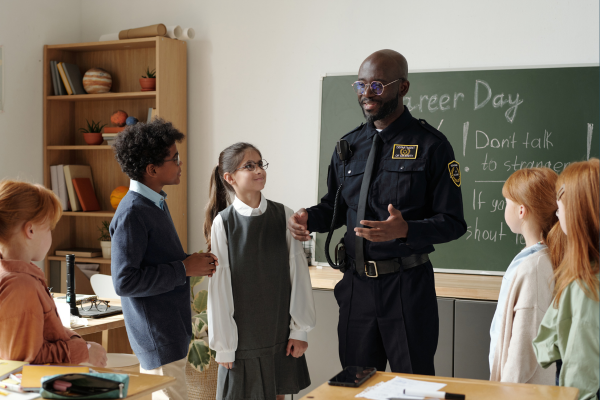
Spring is a powerful time to share alumni stories that inspire current students and strengthen school pride.
Graduation season naturally reminds people of their own school experiences. Featuring alumni achievements during Q2 helps reinforce the long-term impact of education and strengthens the connection between graduates and the broader alumni community.
Ideas for spring storytelling include:
- Alumni career success stories
- Alumni who have returned to mentor students
- Community leaders who graduated from the school
- Alumni who support school programs or initiatives
Sharing these stories through newsletters, social media, or school websites helps grow a stronger alumni network and encourages more graduates to stay involved.
4. Invite Alumni to Support Current Students
One of the most meaningful ways to strengthen alumni engagement is by creating opportunities for graduates to give back.
Q2 offers several natural opportunities for alumni involvement, including:
- Speaking to students about career paths
- Participating in alumni mentorship opportunities
- Supporting senior projects or career days
- Attending graduation celebrations
- Volunteering at school events
These experiences allow alumni to reconnect with their school while also creating valuable moments for current students.
5. Strengthen Your Alumni Communication Strategy
Consistent communication is the foundation of a strong alumni engagement strategy. Spring is a great time to refresh how your school connects with graduates before entering a busy Q2 engagement season.
Consider reviewing:
- Email lists and alumni contact information
- Alumni social media groups
- Newsletter schedules
- Website alumni pages
Even small improvements in communication systems can make it easier for alumni to stay informed and participate in school activities.
6. Prepare for Graduation Season Engagement
Graduation season provides one of the most powerful moments for alumni connection. Current seniors are about to become alumni themselves, and this transition is an important opportunity for long-term alumni network growth.
Schools can prepare for this moment by:
- Welcoming graduating seniors into the alumni community
- Sharing messages from alumni with graduating students
- Encouraging seniors to stay connected after graduation
- Creating simple ways for graduates to update contact information
When schools begin alumni engagement early, students are more likely to remain connected to their school community long after graduation.

7. Evaluate Tools That Support Alumni Engagement
Managing alumni relationships can become challenging as communities grow. Many schools find it helpful to explore tools that help organize communication, events, and engagement opportunities across their alumni network.
The right systems can help schools:
- Track alumni participation
- Simplify communication and outreach
- Strengthen alumni networks and communities
- Support long-term relationship building
Having the right infrastructure in place allows education leaders to focus more on meaningful connections and less on administrative tasks.
Building a Stronger Alumni Community This Spring

Spring represents a season of reflection, celebration, and connection for school communities. With thoughtful alumni program planning, schools can turn Q2 into a meaningful period that strengthens relationships between graduates, students, and educators.
By reviewing past engagement, planning upcoming events, highlighting alumni stories, and strengthening communication strategies, schools can create a spring season that celebrates both past and future members of their alumni community.
If your team is looking for ways to strengthen alumni relationships and build a more connected school community, Alumni Nations provides tools and resources designed specifically for K12 leaders.
Learn how Alumni Nations helps schools connect with their alumni and create lasting engagement that supports student success and community pride.
Frequently Asked Questions
Why should schools plan alumni engagement in March?
March is an ideal time for alumni program planning because it allows school leaders to prepare for Q2 alumni engagement opportunities that take place between April and June. Planning ahead gives teams time to schedule alumni speakers, organize spring events, and coordinate graduation season storytelling that strengthens community connections.
What alumni engagement opportunities happen during Q2?
Q2 is often one of the most active seasons for school communities. Alumni engagement opportunities may include spring events, alumni mentorship programs, alumni speaking with students, graduation celebrations, and storytelling campaigns that highlight alumni achievements.
How can schools keep alumni engaged throughout the year?
Successful alumni engagement requires consistent communication and meaningful opportunities for alumni to stay involved. Schools can maintain engagement by sharing alumni stories, hosting events, inviting alumni to mentor students, and creating ways for graduates to stay connected to the alumni network.
What makes an effective alumni program planning strategy?
Strong alumni program planning focuses on building long-term relationships. Schools that succeed often create a seasonal engagement calendar, highlight alumni achievements, encourage mentorship opportunities, and maintain regular communication with graduates throughout the year.
How can schools grow their alumni network over time?
Schools can strengthen their alumni networks by encouraging graduating seniors to stay connected, updating alumni contact information regularly, and creating opportunities for alumni to participate in school programs, events, and community initiatives.