
The Strategic Asset Hiding in Plain Sight for Every K12 Education Organization

Every educational institution, from the largest district to the smallest K12 school and its supporting foundation, faces the same complex challenge.
How do we consistently connect our mission to the resources, skills, and advocacy needed to provide an exceptional student experience and secure future student success?
You and your team’s K12 educational foundational leaders are securing funding and spend countless hours developing programs and communicating your immense value. Yet, a powerhouse of support often remains untapped: your own graduates.
The concept of an “alumni network” must move beyond the narrow perception of college fundraising. For K12 leaders, your high school alumni are not merely people who once attended your schools; they are a continuous, renewable source of treasure, talent, and influence, a strategic asset waiting to be activated.
If your focus is on sustained student success and long-term organizational stability, it is time to invest in your K12 alumni network. The secret lies in developing an alumni engagement strategy that prioritizes meaningful, year-round relationships over seasonal appeals.

Rethinking the K12 Graduate: More Than Just a Past Student
The most successful education organizations understand that the relationship with a student doesn’t end at graduation. It simply evolves into a relationship with fellow alumni.
For K12 schools, this transition is particularly impactful. Your high school graduates are now professionals, parents, local business owners, and community leaders. They embody the mission and success of your district. A structured and engaged alumni network, facilitated by an Alumni Network Platform, provides three core, year-round benefits that directly address your greatest needs:
1. Contributions (Giving) for Education Organizations
For education organizations, the pressure to secure sustained funding is constant. While a strong connection to local businesses is vital, a dedicated alumni network offers a broad base of consistent, repeatable alumni giving.
This is not about chasing one-time large financial contributions. It’s about building a wide-reaching alumni community where small, consistent contributions become a reliable stream of support for programs, grants, and scholarships. This is the goal of effective alumni engagement.
When graduates feel genuinely connected to the current impact of their former school, seeing how their support provides new technology, enrichment programs, or essential classroom resources, they naturally move to contribute. They become investors in the future generations walking the halls they once walked. You can encourage this by promoting foundation drives during popular events like Homecoming Weekend or Class Reunion planning. When this relationship is cultivated, alumni giving becomes a natural expression of pride.
2. Talent & Time: Fueling the Student Experience
This is perhaps the most immediate and profound impact a K12 alumni network offers. Principals and program specialists constantly seek real-world connections for their current student population and staff. K12 alumni provide this readily.
- Career Exposure & Mentorship: The need for real-world guidance is immense. Use your network to connect current student populations with graduates working in diverse fields for job shadows, mock interviews, or dedicated mentorship programs. This provides invaluable career-pathing that a busy school staff cannot replicate alone. We must establish robust mentorship programs.
- Volunteerism: Graduates are often eager to give back their time to the school or program that helped shape them. This can mean assisting with high school activities, serving on advisory committees, or hosting a Career Day or Career Fair.
- Skill-Sharing: Fellow K12 alumni who are experts in fields like marketing or organizational leadership can often engage alumni by providing specialized professional development for teachers and staff, often at no cost. This is true alumni involvement.
3. Testimony & Ties: Advocacy and Community Building
In an environment where school districts often face scrutiny or need community-wide support, positive advocacy is priceless. This is a core function of successful alumni relations.
- Ties (Networking): Engaged alumni open doors. They connect their former schools to corporate partners, secure in-kind services, or help local businesses participate in school programs. They expand the reach of the school district simply by leveraging their professional alumni networks.
- Testimony (Advocacy): Who better to champion the quality of your K12 educational foundation than the successful individuals who went through it? Sharing alumni success stories through an alumni newsletter and social media provides powerful, authentic testimony for the quality of the education you provide. This unified voice strengthens community support and demonstrates the lasting success of your graduates.

The Shift: Connection First, Contribution Second; The Strategic Framework
The mistake many K12 education organizations make is treating their graduates transactionally. This transactional approach fails. To build a true, long-term strategic asset, the focus must be on alumni engagement. Perpetual support flows from perpetual alumni relationships.
An effective alumni engagement strategy is built on four phases designed to convert a passive list of names into an active alumni community.
Phase 1: Building the Digital Foundation and Alumni Data
You cannot execute a strong alumni engagement strategy without solid alumni data. For K12 districts, this is the first and often most challenging hurdle, as graduates move and lose touch rapidly after prom weekend.
- The Power of the Alumni Network Platform: The foundational investment must be a dedicated Alumni Network Platform to systematically track graduates across all years and schools. Move beyond shared spreadsheets. This tool allows for segmentation based on geographic location, career field, and engagement activity.
- Active Data Acquisition: Utilize high-visibility events like high school reunion cycles and homecoming weekend as data acquisition points. Use your communication channels to share alumni achievements and alumni stories, encouraging fellow alumni to update their contact information. A simple annual request for high school alumni to update their status is a critical alumni outreach step.
Phase 2: Segmentation and Targeted Engagement Strategy
Not all alumni are the same. Your engagement strategy must be tiered to meet graduates where they are in life. This ensures your alumni engagement efforts are efficient.
- Recent Graduate Focus: For young alumni, the focus must be entirely on mentorship and career support. They are high on talent and time, but low on financial capacity. Offer short-term mentorship programs connecting them to established fellow alumni.
- Established Professional Focus: For mid-career K12 students, the focus shifts to leveraging their expertise. This is where you recruit alumni mentors for your current student population and seek their participation in your career fairs. This group has high capacity for contributions (Treasure, Talent, Ties).
- Local & Parent Engagement: Segmenting local graduates is key for maximizing parent engagement (if their children attend the district) and securing local volunteers for school events. Their connection often starts with local alumni involvement.
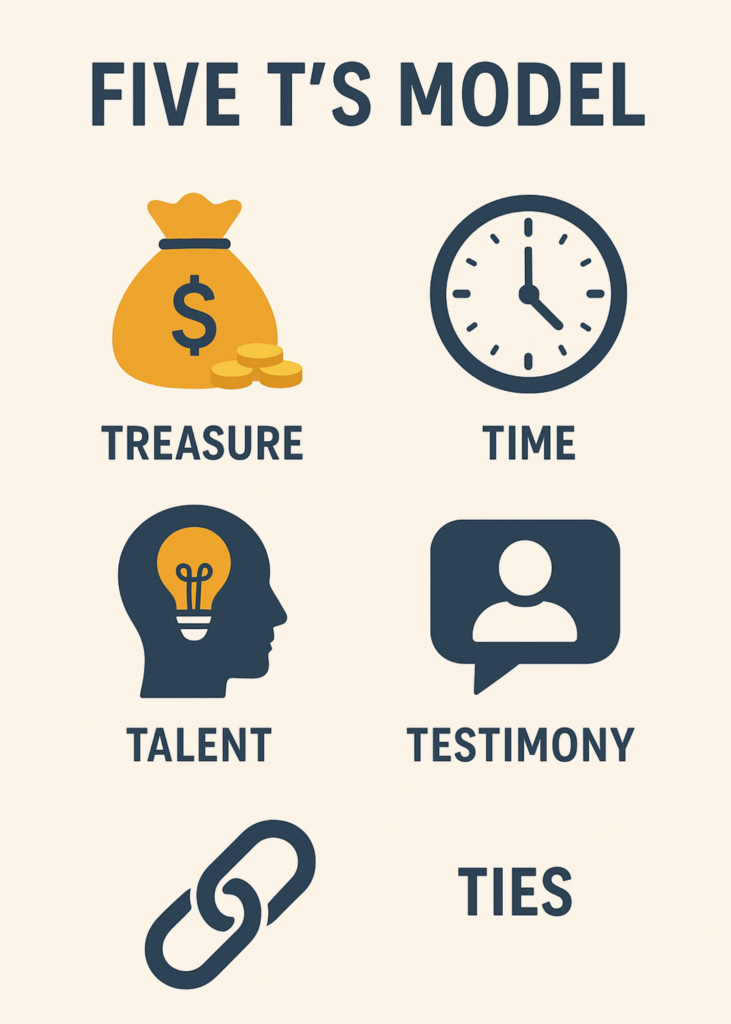
Phase 3: Activating the Five Pillars of Alumni Contribution
To succeed in alumni relations, you must embrace a broad definition of support that goes beyond money. This is how you achieve holistic alumni engagement.
| Pillar | Example K12 Application | Alumni Engagement Goal |
| Treasure | Funding teacher grants, contributing to scholarship funds, and targeted alumni giving campaigns. | Securing consistent financial contributions and alumni donations. |
| Time (Volunteerism) | Alumni participation in school fair events, serving on Foundation grant committees, and Homecoming Weekend logistics. | Increasing overall alumni involvement and contact points. |
| Talent (Expertise) | Leading a career workshop, serving as an alumni mentor to current student groups, and participating in career day. | Providing invaluable student success resources and career guidance. |
| Testimony (Advocacy) | Sharing alumni story content online, serving as a spokesperson for bond measures, and referring potential prospective student families. | Expanding the district’s influence and positive community perception. |
| Ties (Networking) | Connecting the foundation to corporate partners, securing corporate matches for alumni giving, and reaching out to alumni on LinkedIn for introductions. | Leveraging the broader alumni network for partnership and resource acquisition. |
Phase 4: Sustaining Momentum Year-Round
An engagement strategy that ends once you’ve completed it! However, effective alumni engagement requires continuous effort.
- Consistent Alumni Outreach: Use a newsletter to share genuine alumni success stories and updates to the current student experience. Keep the focus on impact, not asking.
- Leveraging Technology: Use your alumni platform to host online networking events or track who has participated in your mentorship programs. This allows you to measure success using alumni engagement metrics (attendance, volunteer hours, mentorship matches) beyond just alumni giving totals.
- The Power of Recognition: Immediately and personally thank graduates for any form of alumni contribution. Stewardship of the alumni relationships is the most critical element in ensuring lifelong alumni connections and continued support for future generations.
Building Your Nation of Impact
Your K12 education organizations hold the keys to unleashing alumni power. By developing a systematic alumni engagement strategy grounded in quality alumni data and focused on providing valuable ways for fellow alumni to contribute their Time, Talent, and Treasure, you transform a passive history into an active, year-round engine of support.
This strategic investment in your alumni network creates a powerful cycle: engaged graduates lead to increased alumni giving and alumni involvement, which directly contributes to greater student success.
You don’t just graduate high school students; you build a thriving alumni community, a committed nation of lifelong supporters and guardians of your mission.
Would you like us to show you how a dedicated Alumni Network Platform can centralize your K12 data and immediately launch your tiered mentorship and career program to drive effective alumni engagement?