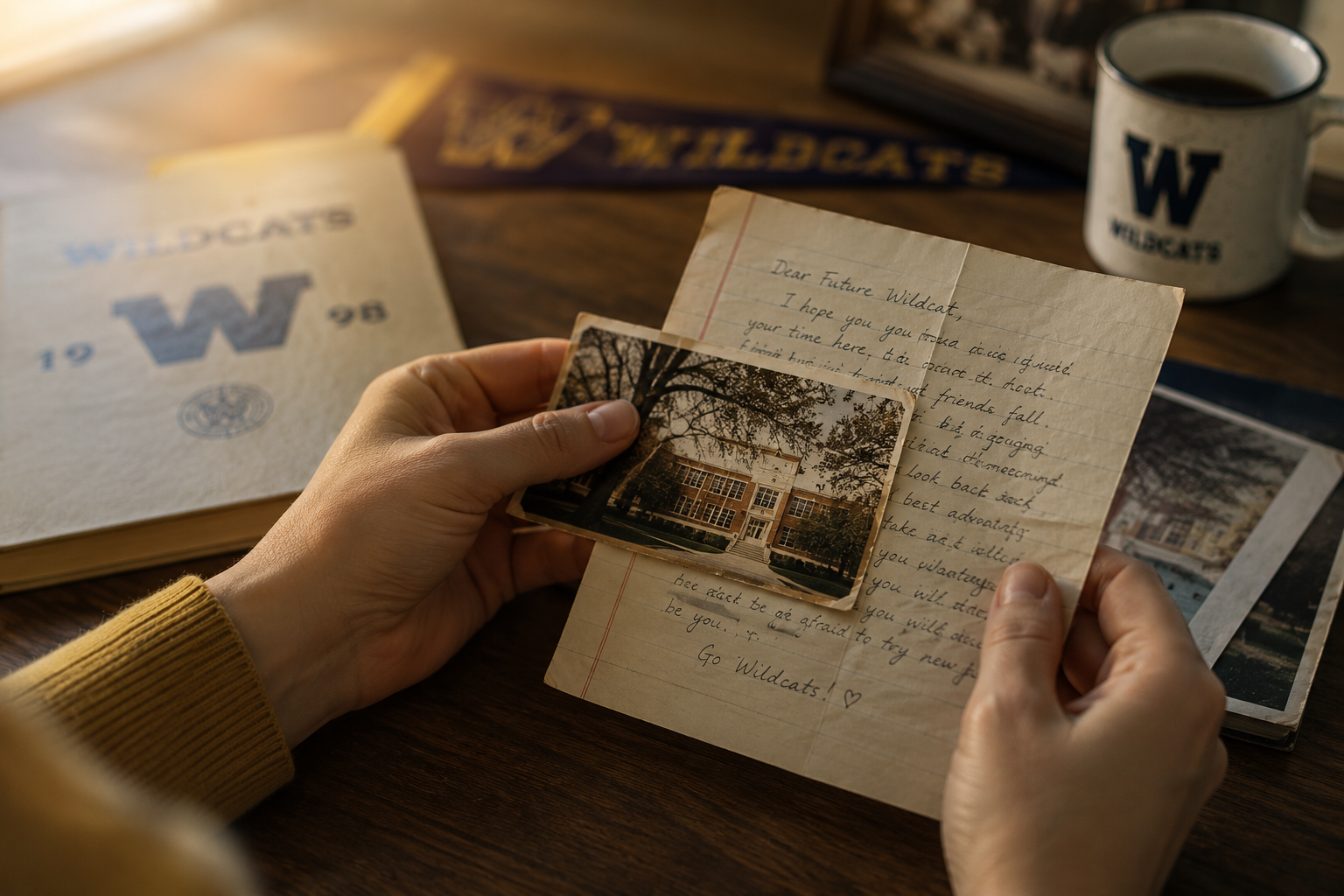

The moment a senior crosses the stage and accepts a diploma they stop being a student and become alumni. For most K12 schools, that shift is also the moment they fall off the radar. Phone numbers change. Email addresses go dark. The relationship that took thirteen years to build can fade in a single summer.
This is the puzzle facing every K12 school district leader, education foundation director, and high school principal trying to figure out how to turn new graduates into lifelong alumni. You know those graduates carry your school’s story with them. You know they could come back as mentors, supporters, and champions. The question is how to keep that connection alive when your team is small, your time is limited, and your graduates are about to scatter far beyond campus.
The good news is that lifelong alumni engagement does not happen by accident, and it does not require a massive budget. It comes down to a few habits, started early, repeated often, and built on solid alumni data.
Why Early Engagement Matters
The CASE Insights on Alumni Engagement report found that alumni who feel emotionally connected to their institution are far more likely to volunteer, mentor, and give back later in life. The window where that emotional bond is strongest is the years right around graduation. Wait too long, and you spend the next decade trying to rebuild what was already there.
Higher education figured this out years ago. Colleges run a full alumni association complete with alumni clubs, alumni board seats, alumni career services, career fairs, executive education offerings, and continuing education programs to keep graduates engaged for the long haul. K12 schools have been slower to follow, partly because alumni engagement is usually a side responsibility for someone wearing four other hats. But the principle holds. Early outreach, even something as simple as a thank-you message after graduation, plants a seed that grows over time.
If you are starting from scratch, this can feel like a lot. The trick is to think of alumni engagement as a series of small, consistent touches rather than one big program.
Alumni Nations was built specifically for K12 schools and education foundations who need that kind of practical, low-lift alumni platform sized for small teams.
What New Graduates Actually Want
Before designing any outreach, it helps to understand what newly graduated alumni actually want from their old school. It is rarely an ask for money. In fact, leading with a request for contributions in years one through three is one of the fastest ways to lose them. Engaged alumni almost never start out as engaged contributors.
What they want is to feel remembered. They want to know their school still cares about them as people, not as future contributors. As well as want updates on classmates, news about teachers who shaped them, and reasons to come back to campus. They want to be invited to alumni events, even if they cannot always come. Many young alumni quietly track what their school is up to long before they raise a hand to participate.
They also want to be useful. Recent graduates can be eager to share advice with current students, talk about their college path or their early professional journey, or come back for a one-day mentorship event. Asking a new graduate to give time, share a story, or speak to current students about career opportunities is almost always more welcome than asking them to give money in those early years. Real alumni connections start with usefulness, not pledge.

How to Engage Before Graduation
Here is where most K12 alumni engagement programs leave value on the table. The alumni relationship does not start at graduation. It starts in the senior year, sometimes earlier.
A simple senior-year transition program can include a few key moments. Capture good contact information before they walk the stage. Add them to a class group or alumni network. Have a short conversation about what alumni engagement looks like at your school, including the alumni benefits they will get going forward, like reunion invites, mentorship pairings, and class updates. Maybe a senior breakfast hosted by the foundation, or a five-minute talk during cap and gown distribution.
The goal is to make sure every graduate leaves understanding two things. First, they are part of an alumni community now. Second, that community has a way to stay in touch with them. This single shift, from “they graduated and we lost them” to “they graduated and we onboarded them,” changes the trajectory of your alumni engagement for the next decade.
This is one of the areas where a tool built for K12 makes a real difference. You can see how Alumni Nations helps schools capture and organize this transition information from day one.
Low-Lift Connection Strategies for Years One Through Five
The first five years after graduation are the most fragile. Graduates are moving, starting jobs, going to college, and figuring out their early career growth and professional development. They will not always reply. They will move twice and forget to update their address. That is normal. Your job is to stay present without being demanding.
A few strategies that work well for small teams:
- A monthly or quarterly email newsletter with school updates, alumni spotlights, and a few photos. Nothing fancy. Consistency matters more than polish.
- An annual printed mailing, especially for milestones like a five-year reunion announcement or a class anniversary. Print still cuts through, and many schools find their alumni keep these mailings on the fridge. Alumni Nations offers Print & Mail Services built for this exact use case.
- A simple class page or alumni directory where graduates can update their own information. This shifts the data maintenance burden off your team and gives fellow alumni a way to find each other. Alumni Nations can set up your very own alumni database. Visit https://alumninations.com/about/operations/ for more information.
- One in-person event a year that is purely social. No fundraising pitch, no formal program, just a chance to come back to campus, see the building, and run into fellow graduates.
- A light-touch mentorship program where willing alumni are matched with current students for advice on career development, lifelong learning, or just navigating life after high school. This is the K12 version of career resources, and it costs almost nothing to run.
These touches add up. Each one is a quiet reinforcement of the lifelong connection between your school and the people who came through it. A graduate who hears from their school four to six times a year for five years is going to feel very differently about that school than one who hears nothing. Research from Hanover and other education organizations consistently points to frequency and consistency as bigger drivers of strong alumni engagement than any single grand gesture.
Alumni Data Is the Foundation
None of this works without solid alumni data. This is the part that gets overlooked the most, and it is the part that quietly limits what a program can do.
If your contact information is a mix of old yearbooks, a few spreadsheets, and a Google Doc someone updated in 2019, your outreach is going to be patchy. Emails will bounce. Mailings will come back. The graduates you most want to reach will be the ones you cannot find. You cannot build alumni networks, mentorship programs, or alumni events on a list you do not trust.
Cleaning up alumni data is not glamorous, but it is the single highest-leverage thing a K12 alumni organization can do. That means tracking down missing contact information, removing duplicates, adding graduation year and other details, and keeping the database current as people move and change jobs. Alumni Nations was built specifically for schools like yours, with data services designed to take this off your plate.
A good rule of thumb: if you cannot trust your alumni list to be accurate, you are not really running an alumni program. You are running a guessing game.
Building Habits That Last
The schools and foundations that succeed at alumni engagement over the long haul have one thing in common. They treat it as a habit, not a campaign. Sending newsletters every month, even when it feels small. They host the one annual event, even when attendance is modest the first few years. As well as keep updating the database, even when it is tedious. Their alumni engagement quietly becomes part of how the school operates.
Over time, those habits compound. Five years in, you have a real alumni community. Ten years in, you have engaged alumni who are showing up to mentor current students, contribute to scholarship funds, and tell their kids to apply. Twenty years in, you have a culture where giving back is just what graduates do, and a lifelong relationship with the school is part of who they are. The takeaways from CASE’s most recent insights reinforce this pattern across institutions of every size.
That kind of culture does not come from a single big push. It comes from showing up, in small ways, year after year, starting with the senior who is about to graduate this spring.
If you are ready to build that kind of program at your school, Alumni Nations can help. We work with K12 districts, education foundations, and high schools across the country to make alumni engagement easier, more consistent, and more meaningful, an alumni platform and partner built for the K12 reality. Reach out for a consultation and we will walk through what a sustainable approach to alumni relations could look like for your team.

Frequently Asked Questions
We have no alumni program at all. Where do we start?
Start with your data. Gather any contact information you have from old yearbooks, registration systems, or school records, and get it into one place. Then pick one simple, repeatable touchpoint like a quarterly email newsletter or an annual reunion invite. The goal is not to launch a full program overnight, but to build a habit of staying in touch. If cleaning up your alumni data feels overwhelming, Alumni Nations offers data services that can help you locate missing contact information and organize what you have into a usable database.
How do we get alumni to update their own information?
Make it easy and give them a reason. A simple online alumni directory where graduates can log in and update their own contact details takes the burden off your team. Promote it when you send newsletters, before reunion announcements, or when you launch a mentorship program. Alumni are willing to update their information if it means staying connected to classmates or being part of something useful. Alumni Nations can set up an alumni database where graduates manage their own profiles, keeping your contact information current without constant manual updates.
Should we focus on recent graduates or older alumni first?
Both matter, but if you have limited time, start with recent graduates. Contact information for the last five to ten graduating classes is likely still accurate. Older alumni often have more capacity to give back through mentorship or volunteering. A practical approach is to build your systems with recent graduates, then layer in outreach to older classes as your program grows. Reunion years are a natural opportunity to reconnect with alumni who graduated ten, twenty, or thirty years ago.