
The most effective alumni engagement strategies after homecoming do three things: capture every returning graduate’s contact information at the event, follow up within 48 hours, and give each alum a reason to come back every season. Homecoming is the one day K12 alumni show up on their own. Treat it as the first day of a twelve-month relationship.
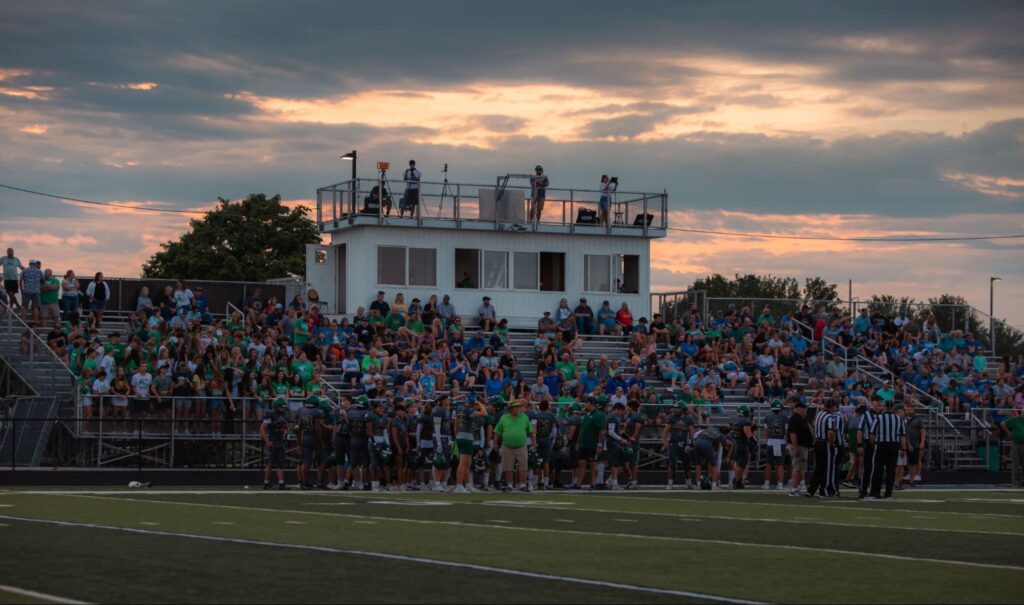
Picture a Friday night in October. Four hundred graduates fill the visitor-side bleachers, the class of 2001 gathers under a hand-painted banner, and the alumni tent runs out of cocoa by halftime. On Monday, the only record of that night is a clipboard on the athletic director’s desk with 60 half-legible email addresses.
That gap between the crowd and the clipboard is where most K12 public high schools, school districts, and education foundations lose their alumni relationships. If your institution does not have the hours to close it, see how Alumni Nations runs post-event follow-up for schools like yours.
Key takeaways
- Homecoming alumni engagement succeeds or fails on data capture: an alum you cannot reach on Monday cannot be engaged in March.
- A thank-you message within 48 hours, sent with photos and a contact-update link, is the follow-up that matters most.
- Sort homecoming attendees into volunteers, young alumni, donors, and class connectors, then give each group its own next step.
- Recent graduates engage through events and communication long before they give, so lead young alumni with an invitation rather than a donation ask.
- Measure second touches, volunteers placed, and repeat donors, not just attendance.
In this guide
- Why does homecoming excitement fade so quickly?
- How to collect alumni contact information at homecoming
- What to send in the 30 days after homecoming
- How to engage homecoming alumni all year
- How to reconnect with alumni who missed homecoming
- Do’s and don’ts for post-homecoming follow-up
- How do you know your alumni engagement strategies are working?
- Frequently asked questions
Why does homecoming excitement fade so quickly?
Homecoming excitement fades because most schools plan the event in detail and the follow-up not at all. Staff move on to winter sports and testing, and alumni hear nothing until next fall’s invitation.
The fundraising data shows what that silence costs. The Fundraising Effectiveness Project, run by the Association of Fundraising Professionals (AFP) Foundation for Philanthropy and GivingTuesday, reported in July 2026 that overall U.S. donor retention held at just 18.0% in the first quarter of 2026. The same report named converting first-time donors into repeat givers as the sector’s most persistent weakness.
A tailgate donor who drops $20 in a jar is a first-time donor. Without a thank-you and a second invitation, that alum will most likely stay a one-time giver. A quick show of gratitude and an invitation help strengthen alumni communities.
How to collect alumni contact information at homecoming
Collecting alumni contact information at homecoming works best when updating a profile takes about 30 seconds. Paper sign-in sheets fail on legibility, and long forms fail on patience.
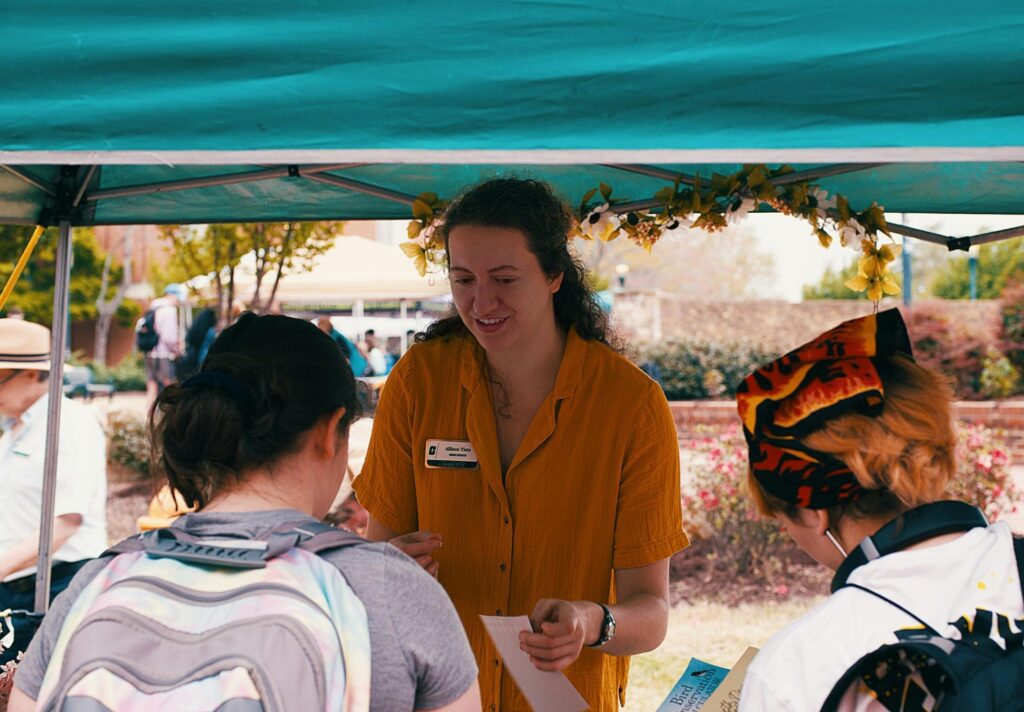
Use several collection points, because each one catches a different group of alumni:
- A QR code at the gate and the alumni tent that opens a short mobile form. Ask for name, graduation year, email, and mobile number. Save career and address questions for later.
- A class-year photo station where alumni enter an email to receive their group photo.
- A merchandise raffle whose entry form doubles as the profile update.
- A volunteer at the tent with a tablet for older alumni who prefer to hand over details in conversation.
Every collection point should state how the school will use the information and offer an easy opt-out.
Contact data also decays as alumni move and change jobs. An institution needs to keep track of alumni contact information in or to the keep the relationship moving. Alumni Nations’ alumni finding services locate graduates your own records have lost, so the homecoming list becomes a starting point rather than the whole database.
What to send in the 30 days after homecoming
The 30 days after homecoming decide whether the event becomes a relationship. Alumni still have the photos on their phones, so every message in this window lands warmer than it would in January.
| When | What to send | Why it works |
| Within 48 hours | Thank-you email with game photos and a contact-update link | Gratitude arrives while the memory is fresh |
| Week 1 | Class-year photo albums shared on social media | Tags pull in classmates who stayed home |
| Week 2 | Three-question “where are you now?” survey | Career and interest answers shape later asks |
| Week 3 | Invitation to one specific volunteer role | A concrete ask turns goodwill into a commitment |
| Week 4 | Alumni spotlights stories on a homecoming attendees | Recognition shows the school noticed who came back |
A small staff can run this sequence with templates prepared before game day. An institution without the capacity will often hand the sequence to managed alumni communications so the follow-up actually ships.
How to engage homecoming alumni all year
Supporting alumni involvement all year means sorting alumni by what they’ve told you, then giving each group a next step that fits. One generic newsletter from a single alma mater treats a 2024 and 1974 alum the same.
You can identify different participants by alumni engagement metrics. Sort the homecoming list into four groups:
- Volunteers. Anyone who checked “interested in helping” gets a winter role: career day speaker, classroom reader, or scholarship committee member.
- Young alumni. Graduates from the last decade get mentoring invitations, sports-night meetups, and social content before they get a donation request.
- Donors. Anyone who gave at homecoming gets a personal thank-you, a report on what the gift funded, and a second invitation in a giving season such as Giving Tuesday or Give-Education Day, the 24-hour K12 giving event set for March 4, 2027.
- Class connectors. The alum who built alumni networks and rallied 40 classmates to the game is your reunion organizer for spring. Ask them directly.
The young alumni rule rests on real data. In its 2022 Insights on Alumni Engagement findings from 350 institutions, the Council for Advancement and Support of Education (CASE) found that recent graduates take part in events and communications more than philanthropy, with giving rising after about 11 years out. CASE studied higher education institutions, like colleges and universities, but the pattern matches what K12 schools see: young alumni need connection before they are ready to give.
For donors, a month-by-month alumni giving calendar helps place each ask in the right season. For the foundations underneath all of this, see these seven alumni engagement strategies for turning K12 graduates into lifelong alumni.
How to reconnect with alumni who missed homecoming
Effective alumni relations start with reconnecting with alumni who missed homecoming. Classmates are a more persuasive messenger than the school, and homecoming hands you a fresh supply of photos and stories to share.

Send each class year a short “you were missed” email with photos of their own classmates from the game. Ask class connectors to forward it to their group chats, and include a livestream replay link if one exists.
Then invite those alumni to something smaller and closer to home: a virtual class meetup, a winter basketball game, or a regional gathering in a city where several fellow alumni now live.
Do’s and don’ts for post-homecoming follow-up
Post-homecoming follow-up works when it feels personal and specific, and it fails when it feels like a mass mailing.
Do
- Thank alumni by class year and name the moment they shared.
- Include at least one photo in every follow-up message.
- Make every ask specific: a date, a role, and a time commitment.
- Report back on what alumni achievement made possible for current students.
Don’t
- Lead with a donation request in the first message.
- Wait until the next homecoming to reach out again.
- Send a single message to every class year at once.
- Leave contact sheets in a box without entering them within a week.
How do you know your alumni engagement strategies are working?
You know your alumni engagement strategies are working when homecoming attendees take a second action within 90 days. Attendance measures excitement for a single night. A second touch measures the start of a relationship.
CASE measures alumni engagement across four modes: philanthropic, volunteer, experiential, and communication. K12 schools can track a simple version of each after homecoming:
- Contact rate: the share of attendees who left usable contact information.
- Second-touch rate: the share who opened, clicked, or responded to a follow-up within 30 days.
- Volunteers placed: attendees who took on a specific role by spring.
- Repeat donors: homecoming givers who give again within 12 months.
A rising second-touch rate says more about your program’s health than a bigger crowd does. Alumni engagement ideas are successful ones when the second attempt at reaching out is answered.
Your next homecoming starts this Monday
The work that makes next October’s crowd bigger happens this month, in the thank-you notes, the survey answers, and the first volunteer roles. Schools that follow up within days and give every group a reason to return each season turn one night into a year of connection.
Alumni Nations works as an extension of your team, combining the platform, the alumni data, and the managed communications that turn homecoming into year-round engagement.
Schedule a demo with Alumni Nations to build your post-homecoming engagement plan.
Frequently asked questions
How do you collect alumni contact information at a homecoming event?
To collect alumni contact information at a homecoming event, post QR codes at the gate and alumni tent that open a short mobile form asking for name, graduation year, email, and phone. A class-year photo station and a merchandise raffle can double as profile updates.
When should a school ask homecoming alumni for a donation?
A school should ask homecoming alumni for a donation after thanking them and showing what alumni support accomplishes, usually in a giving season such as Giving Tuesday or a spring giving day. A donation request in the first follow-up message tends to dampen response.
What alumni event ideas keep engagement going after homecoming?
Alumni events that keep engagement going after homecoming include career day speaker roles, virtual class meetups, alumni nights at basketball games, regional gatherings where graduates have moved, spring reunions run by class connectors, and senior send-offs where alumni welcome the newest graduates. Alumni engagement best practices
How do high schools reconnect with alumni who did not attend homecoming?
High schools reconnect with alumni who skipped homecoming by sending each class year photos of their own classmates from the event, asking attending alumni to forward the message, and inviting distant graduates to smaller virtual or regional events.