
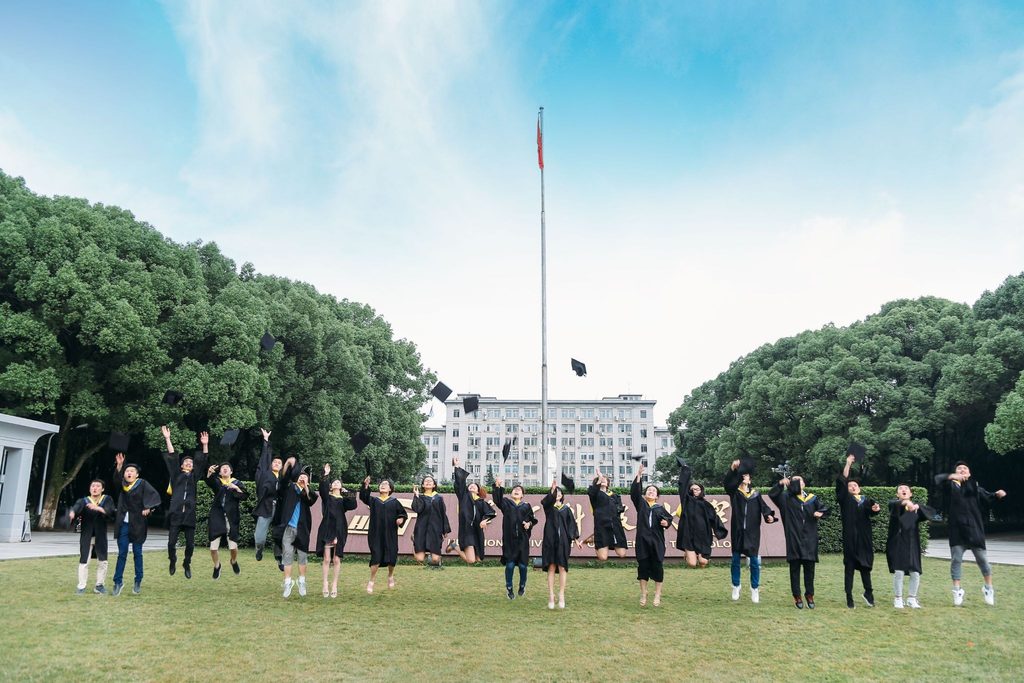
Lifelong alumni engagement moves through five stages: awareness, interest, engagement, active engagement, and fully engaged. Graduates first learn your alumni program exists and decide what is in it for them. Then they test whether you keep your promises, start contributing, and trust you enough to stay involved for life. Knowing your district’s stage tells you what to do next.
Schedule a demo with Alumni Nations today to discover where your district stands and start building a lifelong alumni community.
Most superintendents and district leaders assume their alumni challenge is reach. If more graduates heard from the district, more of them would mentor, volunteer, and give back. So the newsletter goes out to whatever emails are on file, and the response is quiet.
Reach is rarely the gap. A graduate who hasn’t answered “What’s in it for me?” will pass on a volunteer request no matter how often it arrives. The ask has to match the stage that person is in.

The five stages of lifelong alumni engagement come from the Lifelong Engagement framework Alumni Nations uses with K12 districts and education foundations. Each stage has its own signs and its own next step. Skip one, and your students lose mentors, volunteers, and support that would have reached them.
Key takeaways
- Lifelong alumni engagement has five stages: awareness, interest, engagement, active engagement, and fully engaged.
- Graduates under 35 usually engage for career help and networking, while alumni over 35 tend to engage to help the school succeed and leave a legacy.
- Asking alumni for time or contributions before they trust your organization skips stages and lowers the response.
- In early 2026, returning supporters drove the leveling off in the number of people giving while new ones declined, according to AFP’s Fundraising Effectiveness Project, so deepening existing alumni relationships pays off.
- Any district or school can place itself on the five-stage path with a short self-check, even without an alumni database.
What are the 5 stages of lifelong alumni engagement?
The five stages of lifelong alumni engagement describe how a graduate’s relationship with your district deepens over time. Each stage builds on the one before it. A graduate moves forward only when the current stage feels complete.
Here is what each stage looks like from the graduate’s side:
- Awareness: the graduate learns your alumni program exists. It usually takes several touches before that first introduction sticks.
- Interest: the graduate asks, “What’s in it for me?” Your answer decides whether they lean in or tune out.
- Engagement: the graduate starts exploring and checks whether your district delivers on what it promised.
- Active engagement: the graduate takes part, and both sides get real value from the relationship.
- Fully engaged: the graduate trusts your district and stays involved by choice.
For a school district, the end of the path has two parts. Alumni and community members think and talk favorably about your schools, staff, and students. They also give back through their time, talent, and treasure.
Graduates rarely move through all five stages in a single school year. A graduate can sit at the interest stage for years, then move quickly when a reunion invitation or a mentoring request arrives at the right moment.
Stage 1: Awareness
Awareness is the stage where graduates learn that your district has an alumni program at all. Many graduates never get past it. They left with a diploma and good memories, but no one told them there was a way to stay connected.
Awareness takes repetition. A single email or one post on the district’s Facebook page rarely registers. Graduates usually need several touches, across more than one channel, before your alumni program feels real.
Signs your district is at the awareness stage:
- Your only alumni records are graduation lists in the student information system.
- Class reunions happen, but volunteers run them without any school or ed foundation involvement.
- When an alum calls the office, there is no clear place to send them.
How to move graduates past awareness:
- Collect personal email addresses and phone numbers from seniors before they graduate, while they are still in your buildings. Our guide on turning new graduates into lifelong alumni walks through that hand-off.
- Show up where graduates already gather: homecoming, reunions, local news, and social media.
- Give every touch the same simple next step, such as joining the alumni directory.
Older classes take more work to reach. If your records stop at graduation day, start with these ways to find and reconnect with alumni you’ve lost touch with.
Stage 2: Interest
Interest is the stage where a graduate decides whether your alumni program is worth their time. Every message you send is quietly answering one question: “What’s in it for me?” Organizations that answer it clearly move graduates forward. Districts that skip it end up asking for help from people who don’t yet have a reason to say yes.
The right answer depends on age. Alumni Nations’ Lifelong Engagement framework draws the line at about 35, because younger and older graduates are looking for different things.
What alumni under 35 want
For younger graduates, interest is about people.
- Access to career and professional development
- Chances to keep learning and growing
- Networking with other alumni in their field or city
What alumni over 35 want
For older graduates, interest is about the school itself.
- Class reunions and alumni events
- Regular news from the district
- Social events and reconnecting with classmates
- Ways to help schools and students succeed
- A legacy that lasts beyond their own years in the building

Send each group the message that answers its question. A 26-year-old nurse will probably respond to an invitation to a career panel before a reunion save-the-date. A 52-year-old business owner may respond the other way around.
Once you know what each group wants, a consistent communication rhythm keeps that message in front of them long enough to land.
Stage 3: Engagement
Engagement is the stage where graduates start exploring your alumni program and testing whether it keeps its promises. An alum might update their directory profile, stop by a homecoming tailgate, or read the newsletter all the way through. Each small step is a trial run.
Follow-through decides what happens next. If the career panel announced in the spring never happens, or a reunion RSVP gets no reply, the graduate drifts back to the interest stage. When the organization delivers, trust starts to build.
How to keep graduates moving at the engagement stage:
- Promise only what your team can deliver consistently
- Reply to every alum who reaches out, ideally within a few days.
- Thank people for small actions, like updating contact information or attending an event.
- Share what happened afterward, such as reunion photos or a note on how many students the career panel reached.
Stage 4: Active engagement
Active engagement is the stage where alumni start contributing, and both the graduate and the organization get real value from the relationship. Alumni put in their time and skills. The organization gives them meaningful ways to make a difference for students.
Active engagement looks different for every graduate:
- Time: volunteering at events, helping with reunions, or serving on an alumni board for your institution. an alumni board for your district
- Talent: mentoring students, speaking at career day, or sharing expertise with staff
- Contributions: supporting a scholarship, a classroom project, or a class reunion gift
Value has to flow both ways at this stage. Alumni who mentor want to see that it helped a student. Alumni who give want to know where their support went and what it changed. Reunions are a natural starting point.
Stage 5: Fully engaged
Fully engaged is the stage where alumni have an active, trusting relationship with your organization and stay involved by choice. A fully engaged graduate doesn’t wait to be asked. They recruit classmates to reunions, speak up for the school in the community, and support students year after year.
The generosity is there for education. The Giving USA 2026 report estimates that giving to education rose 11.7% in 2025, to $92.01 billion. Fully engaged alumni are how a K12 educational institution makes sure some of that support reaches its own students.
How to keep alumni at the fully engaged stage:
- Recognize long-time supporters publicly, in newsletters and at events.
- Invite them into leadership, such as alumni board seats or reunion committees.
- Report back on impact at least once a year.

How do you know which stage your school is in?
You can place your district on the five-stage path by asking where most of your graduates stop. Answer these questions honestly:
- Do you lack current contact information for graduates beyond the last few classes? Most of your alumni are still at awareness.
- Do alumni open your messages but rarely respond? They are likely at interest.
- Do alumni attend events but rarely volunteer or give? They are at engagement.
- Do you have a steady group of mentors, volunteers, and supporters? You have alumni at active engagement.
- Do some alumni recruit others and support the organization without being asked? Those are your fully engaged alumni.
Most K12 organizations find graduates spread across several stages. That is normal. The goal is to move each group one stage forward.
Do’s for moving alumni forward
- Match each message to the stage the reader is in.
- Celebrate small steps, like a profile update or a first event.
- Check once a year how many alumni sit at each stage.
Don’ts for moving alumni forward
- Don’t open with a request for contributions to graduates you have never contacted.
- Don’t send the same message to every class year.
- Don’t announce programs your team can’t sustain.
What if you’re starting with no alumni database or staff?
You can start moving alumni through the five stages without an alumni database or a dedicated staff member. Many organizations begin with old graduation lists and a superintendent who knows alumni matters.
Alumni Nations builds alumni databases from the ground up, using your student information system data and printed records, then suggests outreach to collect current contact information. Our alumni finding services handle that first stage so your team doesn’t have to.
From there, support follows the path. Through our communications services, Alumni Nations sets up a communications calendar and creates monthly content that keeps graduates moving through interest and engagement.
Districts and foundations already see the difference. Kari Mueller of the Madison Public Schools Foundation credits the “time-saving tools and outstanding support” for strengthening its alumni engagement.
If you’d like to see how that support would fit your district, you can book a short demo with our team.
Your next step toward fully engaged alumni
Every graduate in your district sits somewhere on the path from awareness to fully engaged. Your next step is to find the stage where most of them are and focus there this school year:
- At awareness: start collecting contact information and introducing your alumni program.
- At interest or engagement: tailor messages by age and keep every promise.
- At active engagement or beyond: recognize supporters and invite them to lead.
When your graduates are fully engaged, your students gain mentors, volunteers, and a lifelong nation of supporters who keep showing up for them.
Schedule a demo to see where your organization stands and how Alumni Nations can help move your graduates forward.
Frequently asked questions
What is alumni engagement for K12 schools?
Alumni engagement for K12 schools is the ongoing relationship between a school, district or education foundation and its graduates. It includes staying in touch, inviting alumni to events, and giving them ways to mentor, volunteer, and contribute to current students. Done well, it builds a community of lifelong alumni who support students for decades.
How long does it take to move alumni through the five stages?
Moving alumni through the five stages of engagement has no fixed timeline. A recent graduate who joins a mentoring program can reach active engagement within a year, while a graduate from decades ago may need several years of steady contact. Consistent communication and follow-through speed things up more than any single campaign.
Should we ask alumni for contributions right away?
Asking alumni for contributions works best once they reach the engagement or active engagement stage. Graduates at the awareness or interest stage haven’t yet seen what your organization offers them, so an early request tends to go unanswered. Start with invitations to connect, then make specific, student-focused requests once trust is in place.
How do we engage alumni from older classes we’ve lost touch with?
Engaging older alumni starts with rebuilding contact information from graduation records, yearbooks, and reunion volunteers. Then reach out through channels older graduates already use, such as mailed newsletters, local news, and Facebook. Alumni over 35 usually respond to reunions, school news, and chances to help students, so lead with those.
Last reviewed: October 2026